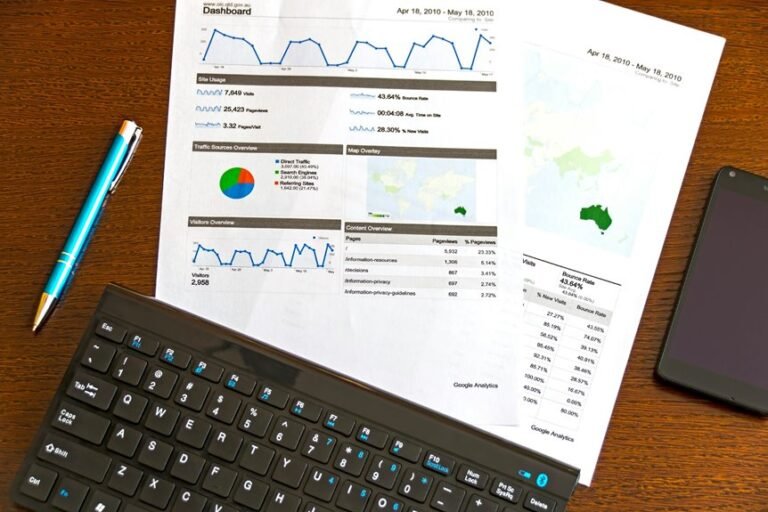
Strategic Investment Dashboard: 1134574114, 1300064698, 1300303784, 1300363269, 1300665672, 1300791458
The Strategic Investment Dashboard represents a significant advancement in investment management tools. With its focus on data visualization and real-time analytics, it equips professionals to monitor portfolios and market fluctuations effectively. Its integration of risk assessment features enhances decision-making autonomy. However, the implications of adopting such a tool for individual investment strategies remain to be fully explored. What specific benefits can this dashboard bring to diverse investment objectives?
Key Features of the Strategic Investment Dashboard
While the landscape of investment management continues to evolve, the Strategic Investment Dashboard emerges as an essential tool for professionals seeking to streamline their decision-making processes.
Key features include advanced data visualization techniques that enhance investment tracking, allowing users to monitor portfolio performance effectively.
This integration facilitates informed choices, ultimately fostering greater autonomy in managing assets while adapting to dynamic market conditions.
How to Utilize the Dashboard for Better Investment Decisions
How can investment professionals leverage the Strategic Investment Dashboard to enhance their decision-making processes?
By utilizing data visualization tools within the dashboard, they can efficiently assess market trends and asset performance.
Performance tracking features enable investors to monitor investments in real time, facilitating informed choices.
This systematic approach empowers professionals to make strategic decisions based on comprehensive, visualized data insights, fostering greater investment freedom.
Benefits of Integrating the Dashboard Into Your Investment Strategy
Integrating the Strategic Investment Dashboard into an investment strategy offers numerous advantages that enhance analytical capabilities and decision-making efficiency.
By employing advanced data visualization techniques, investors can interpret complex datasets more intuitively.
Furthermore, the dashboard’s robust risk assessment tools enable a comprehensive evaluation of potential vulnerabilities, empowering investors to make informed decisions that align with their financial goals and risk tolerance.
Conclusion
In conclusion, the Strategic Investment Dashboard emerges as an indispensable tool for investment professionals, despite potential concerns about its complexity. While some may argue that advanced features could overwhelm users, the dashboard’s intuitive design and comprehensive support resources effectively mitigate this challenge. By harnessing its capabilities for real-time tracking, risk assessment, and personalized strategy development, investors can navigate the complexities of the market with greater confidence, ultimately leading to more informed and successful investment outcomes.