Technology in 2025: Innovations Transforming Our World
Technology is evolving faster than ever, impacting every aspect of life—from how we communicate to how businesses operate. Innovations like artificial intelligence (AI), cloud computing, 5G networks, Internet of Things (IoT), and blockchain are reshaping industries and daily life. Staying updated with these technological trends is essential for businesses, professionals, and individuals to remain competitive and efficient.
This article explores the most influential technology trends in 2025, their benefits, and the ways they are shaping the future.
Artificial Intelligence: Driving Smarter Decisions
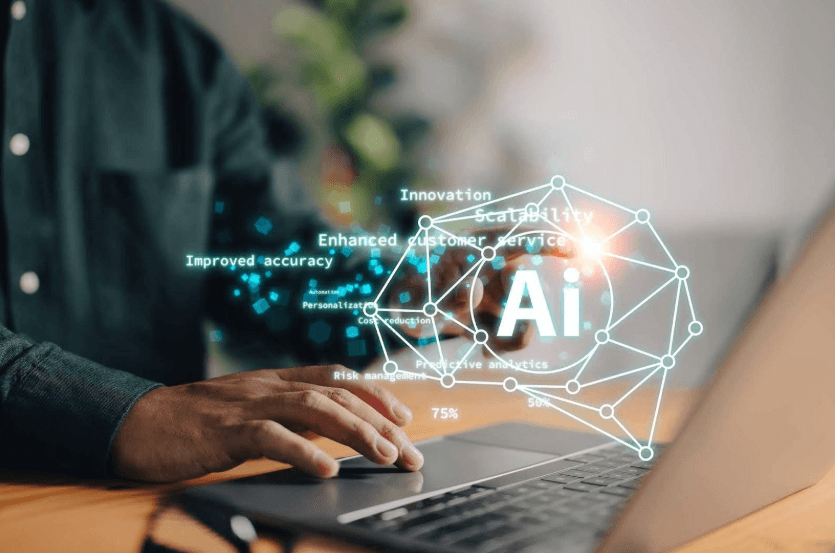
Artificial Intelligence has emerged as one of the most transformative technologies of the decade. AI systems can analyze massive datasets, identify patterns, and make decisions faster than humans.
- Healthcare: AI assists in early diagnosis, robotic surgeries, and predictive analysis.
- Business: Companies use AI for customer service, chatbots, and analytics to improve performance.
- Education: Adaptive learning platforms offer personalized education for each student.
Experts estimate that AI could contribute over $15 trillion to the global economy by 2030, underscoring its pivotal role in modern life.
Cloud Computing: Enabling Digital Transformation
Cloud computing has revolutionized the way organizations store, manage, and process data. Instead of relying on traditional physical servers, businesses now adopt scalable cloud solutions.
- Scalability: Businesses can adjust resources instantly to meet demand.
- Collaboration: Remote teams can collaborate seamlessly in real-time.
- Cost Efficiency: Reduces the expense of hardware and maintenance.
Leading cloud platforms like AWS, Microsoft Azure, and Google Cloud continue to empower businesses worldwide, supporting innovation and efficiency.
See also: Technology in 2025: Innovations Transforming Our World
5G Networks: Transforming Connectivity
The introduction of 5G technology has transformed global communication with faster speeds and lower latency.
- Entertainment: High-quality streaming, online gaming, and virtual reality experiences become more seamless.
- Healthcare: Enables remote surgeries and telemedicine with minimal delay.
- Smart Cities: IoT-powered infrastructure optimizes traffic, energy, and safety systems.
By 2030, billions of devices are expected to rely on 5G networks, further driving innovation across sectors.
Internet of Things (IoT): Connecting Everything
The Internet of Things links devices, enabling smarter homes, workplaces, and cities.
- Smart Homes: Control appliances, lighting, and security systems remotely.
- Healthcare: Wearable devices monitor vital signs, fitness, and sleep patterns.
- Smart Cities: Sensors manage traffic flow, energy usage, and public safety efficiently.
Analysts predict that over 30 billion IoT devices will be in use worldwide by 2030, making IoT a cornerstone of smart living.
Cybersecurity: Securing the Digital World
As technology advances, so do cyber threats. Cybersecurity ensures the protection of sensitive information and the trust of users.
- AI-Enhanced Security: Detects and prevents cyberattacks in real-time.
- Data Encryption: Protects confidential information during communication and transactions.
- User Awareness: Educating users reduces risks from phishing, malware, and identity theft.
With cybercrime projected to cost trillions annually, robust cybersecurity solutions are essential for businesses and individuals alike.
Blockchain: Beyond Cryptocurrency
Blockchain technology extends far beyond cryptocurrencies, providing secure and transparent digital solutions.
- Finance: Ensures secure and fast financial transactions.
- Supply Chain: Tracks products from production to delivery, reducing fraud.
- Healthcare: Protects patient records and ensures data integrity.
The emergence of Web3 and decentralized applications (dApps) demonstrates blockchain’s growing role in the digital economy.
Green Technology: Innovation for Sustainability
Green technology combines innovation with environmental responsibility.
- Renewable Energy: Solar, wind, and hydro power reduce reliance on fossil fuels.
- Electric Vehicles (EVs): Clean transportation alternatives reduce carbon emissions.
- Smart Energy Grids: AI-driven grids optimize energy use and reduce waste.
Green technology shows that progress can coexist with sustainability, supporting both economic growth and environmental protection.
Emerging Technologies to Watch
Beyond the current trends, several emerging technologies could reshape the future:
- Quantum Computing: Tackles complex problems that traditional computers cannot.
- Metaverse: Creates immersive virtual worlds for work, learning, and entertainment.
- Biotechnology: Advances in genetics improve healthcare, agriculture, and food security.
- Artificial General Intelligence (AGI): Machines capable of human-like reasoning and decision-making.
These technologies have the potential to redefine industries and the global economy in the coming decade.
Conclusion
Technology in 2025 is more than convenience—it is the foundation of progress. AI, cloud computing, 5G, IoT, blockchain, and green technology are already transforming businesses, industries, and daily life. Cybersecurity ensures protection and trust, while emerging technologies like quantum computing, biotechnology, and the metaverse promise even greater advancements.
For businesses, adopting these innovations is key to competitiveness and growth. For individuals, keeping pace with technology means smarter living and new opportunities. Ultimately, technology is not just shaping the future—it is defining it.